Project Management: Turning Ideas into Impact
Behind every successful student venture is not just a great idea, but a well-managed process that brings that idea to life. For many young people stepping into entrepreneurship for the first time, the instinct is to focus on creativity—brainstorming solutions, designing products, or preparing pitches. Yet what ultimately determines whether those ideas succeed is something less visible but far more powerful: the ability to plan, execute, adapt, and deliver. This is where project management becomes the quiet engine driving meaningful outcomes.
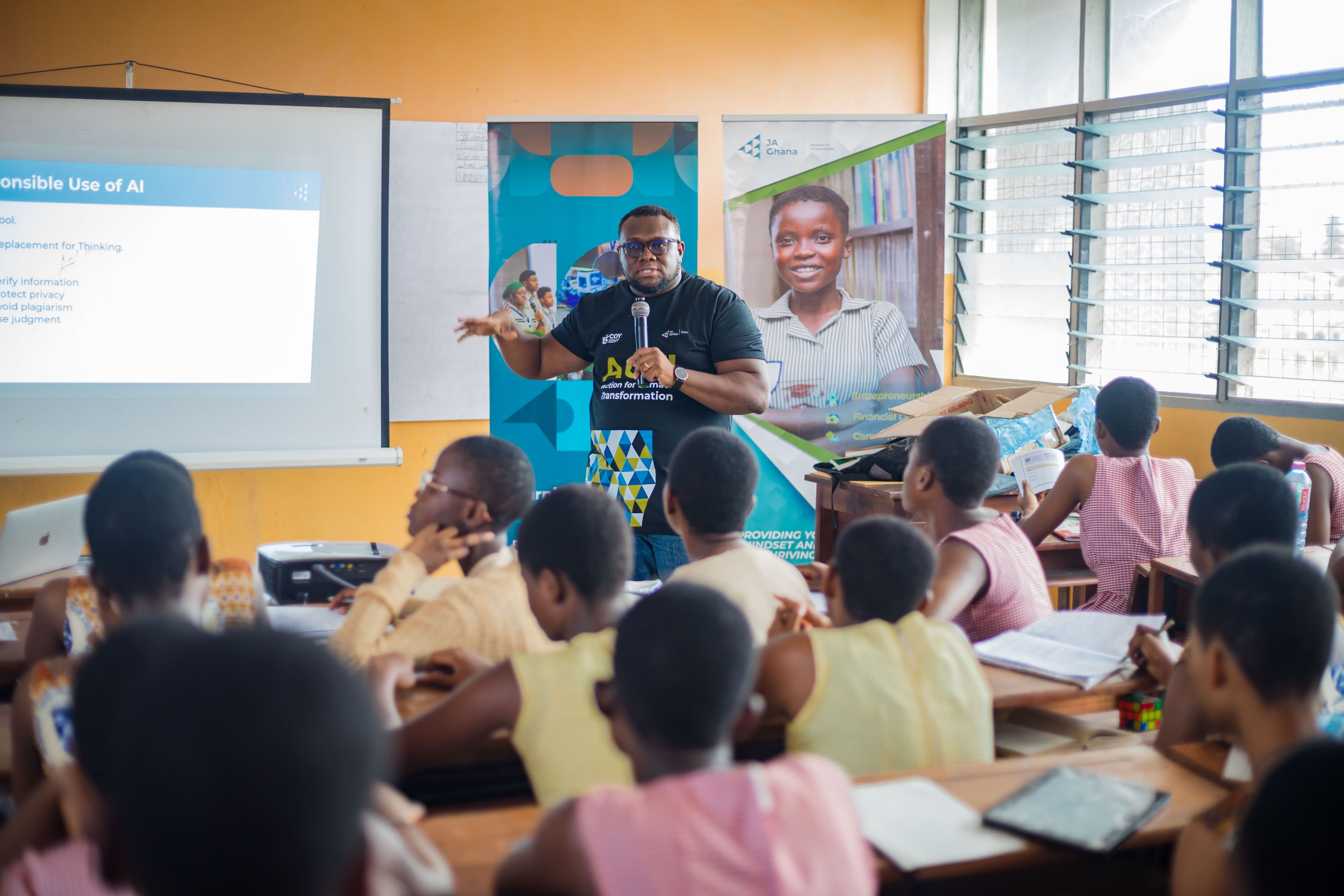
For high school students navigating their first real business experience, this structured approach transforms the way they think. An idea is no longer just exciting; it becomes something to be defined, broken down, tested, and improved. Students learn to identify problems within their communities, understand the people affected, and develop solutions that are both practical and impactful. From the outset, they are introduced to a process that mirrors real-world practice: setting clear objectives, organizing tasks, assigning roles, managing time and resources, and tracking progress toward defined goals. What begins as a simple concept quickly evolves into a coordinated effort that requires discipline, teamwork, and accountability.
What makes this experience particularly powerful is that it is not theoretical. Students are not memorizing concepts or studying abstract frameworks; they are applying them in real time. As they build and run their own companies, they encounter the same challenges faced by professionals: missed deadlines, changing ideas, team disagreements, and resource constraints. In working through these, they begin to understand that success is not about avoiding problems, but about managing them effectively. They learn to adjust plans, make informed decisions, and stay focused on outcomes even when circumstances change.
At the same time, structure does not come at the expense of creativity. Instead, it enhances it. Students are guided to deeply understand the needs of their users, define clear problem statements, and explore a wide range of possible solutions before refining and testing their ideas. This interplay between creative thinking and structured execution is critical. It teaches that innovation is not just about having bold ideas, but about translating those ideas into solutions that work in the real world. The process is iterative, requiring continuous learning, feedback, and improvement, rather than a straight path from start to finish .
Through this journey, students begin to develop a set of skills that extend far beyond entrepreneurship. They learn how to lead—not by giving instructions, but by coordinating people and aligning efforts toward a shared goal. They learn how to collaborate, recognizing the value of different perspectives and the importance of communication. They strengthen their critical thinking, breaking down complex problems and evaluating possible solutions. Perhaps most importantly, they build a sense of ownership, understanding that outcomes are directly tied to the decisions they make and the effort they invest.
These are the kinds of competencies that shape future professionals, regardless of the path they choose. Whether they go on to start businesses, pursue careers in established organizations, or contribute to their communities in other ways, the ability to manage projects equips them to move from intention to impact. They come to appreciate that success is rarely accidental; it is the result of careful planning, consistent execution, and thoughtful reflection.
The integration of these skills into the learning experience has been significantly strengthened through the support of the Project Management Institute Educational Foundation (PMIEF). Through their partnership and grant support, globally recognized project management principles have been embedded into the student journey, ensuring that what they learn is not only practical but also aligned with real-world expectations. This contribution has helped elevate the experience from a simple entrepreneurship program into a platform for developing disciplined, capable, and future-ready young leaders.
In the end, what stands out is not just the businesses students create, but the mindset they develop. They begin to see challenges as opportunities to be managed, ideas as projects to be executed, and success as something that can be built step by step. They learn that while creativity may spark innovation, it is structure and execution that bring it to life.